Advanced Procedural Insights in Rhinoplasty

Evidence-Based Rhinoplasty Protocols for Facial Harmony and Structural Nasal Integrity

Modern rhinoplasty science has evolved beyond simple cosmetic reductions into high-precision structural facial engineering. Within an accredited rhinoplasty clinic in Turkiye, procedures are executed not merely to refine aesthetic contours, but to systematically optimize nasal airway mechanics, septal alignment, and long-term cartilage framework stability. Operating in JCI-accredited surgical suites equipped with Piezo ultrasonic instruments and 3D diagnostic platforms, board-certified plastic surgery teams utilize internationally standardized techniques—such as atraumatic bone sculpting and preservation rhinoplasty—to ensure maximum patient safety, swift recovery, and natural, long-lasting outcomes.


Rhinoplasty Procedural Navigator

Explore the core cosmetic and functional nose surgery procedures performed at Turkiye’s accredited plastic surgery clinics. Procedural selection is determined through multidisciplinary evaluation of nasal skin thickness, structural support, and airway mechanics.

Primary Aesthetic Rhinoplasty Surgery in Turkiye

Primary Aesthetic Rhinoplasty

Ultrasonic Piezo Bone Sculpting Rhinoplasty

Ultrasonic Piezo Rhinoplasty

Complex Revision Rhinoplasty and Grafting

Revision & Graft Rhinoplasty

Functional Septorhinoplasty and Airway Repair

Functional Septorhinoplasty


Rhinoplasty Surgical Mechanisms of Action

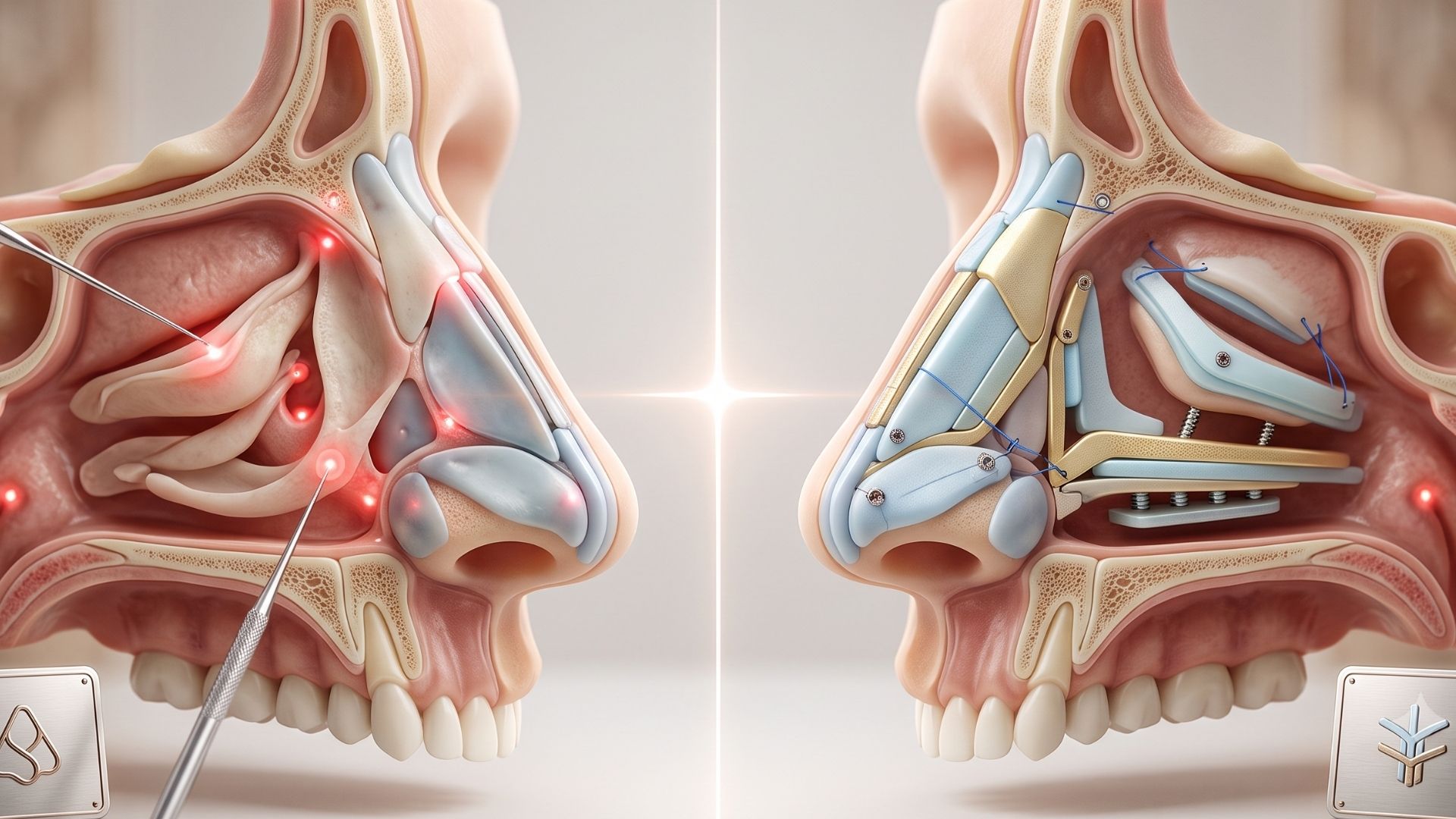
Understanding the anatomical and functional mechanisms induced by modern nose surgeries. Leading plastic surgeons leverage these precise techniques to refine aesthetic contours while preserving structural support and internal airway mechanics.

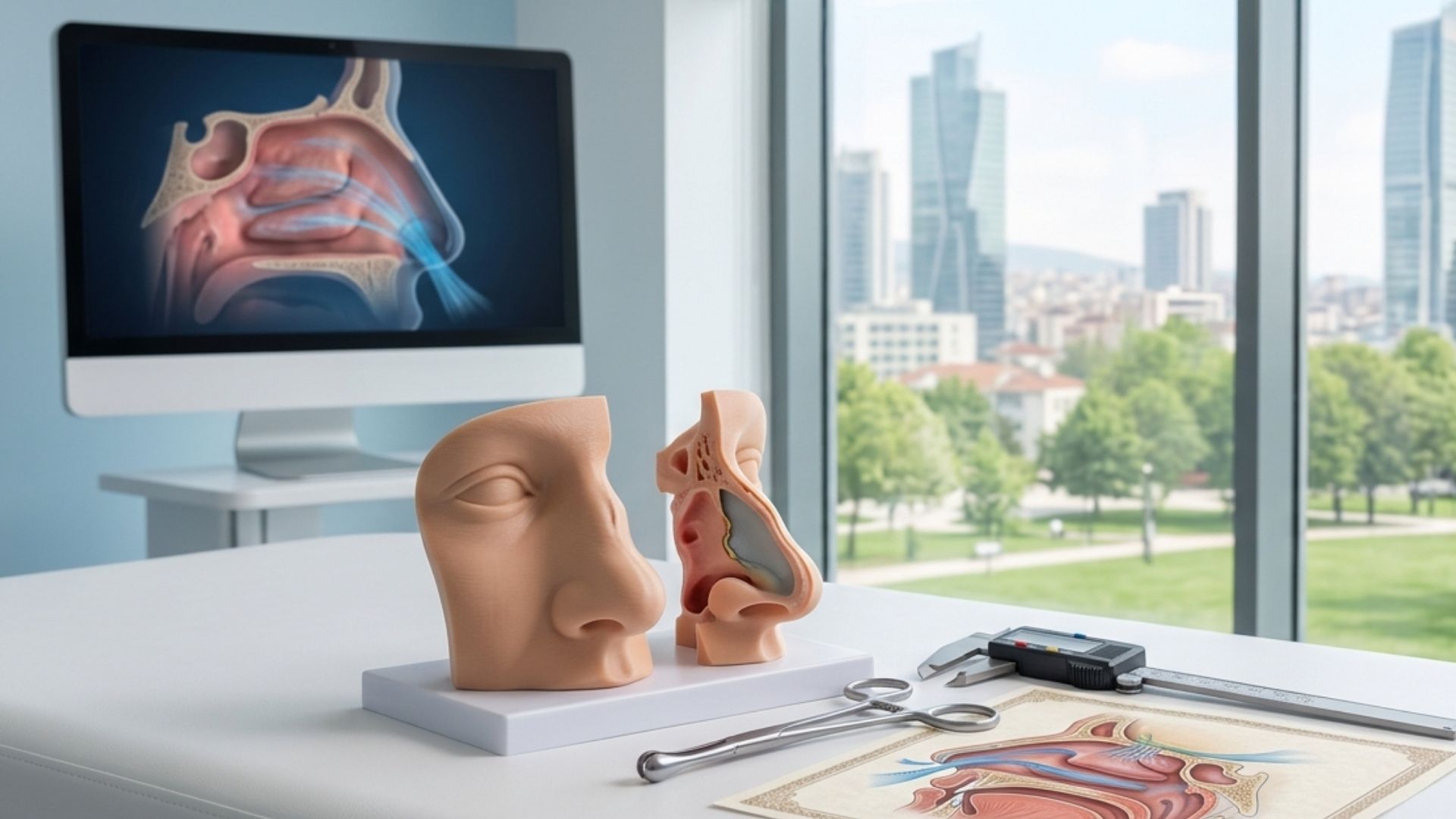
Piezo Ultrasonic Bone Sculpting

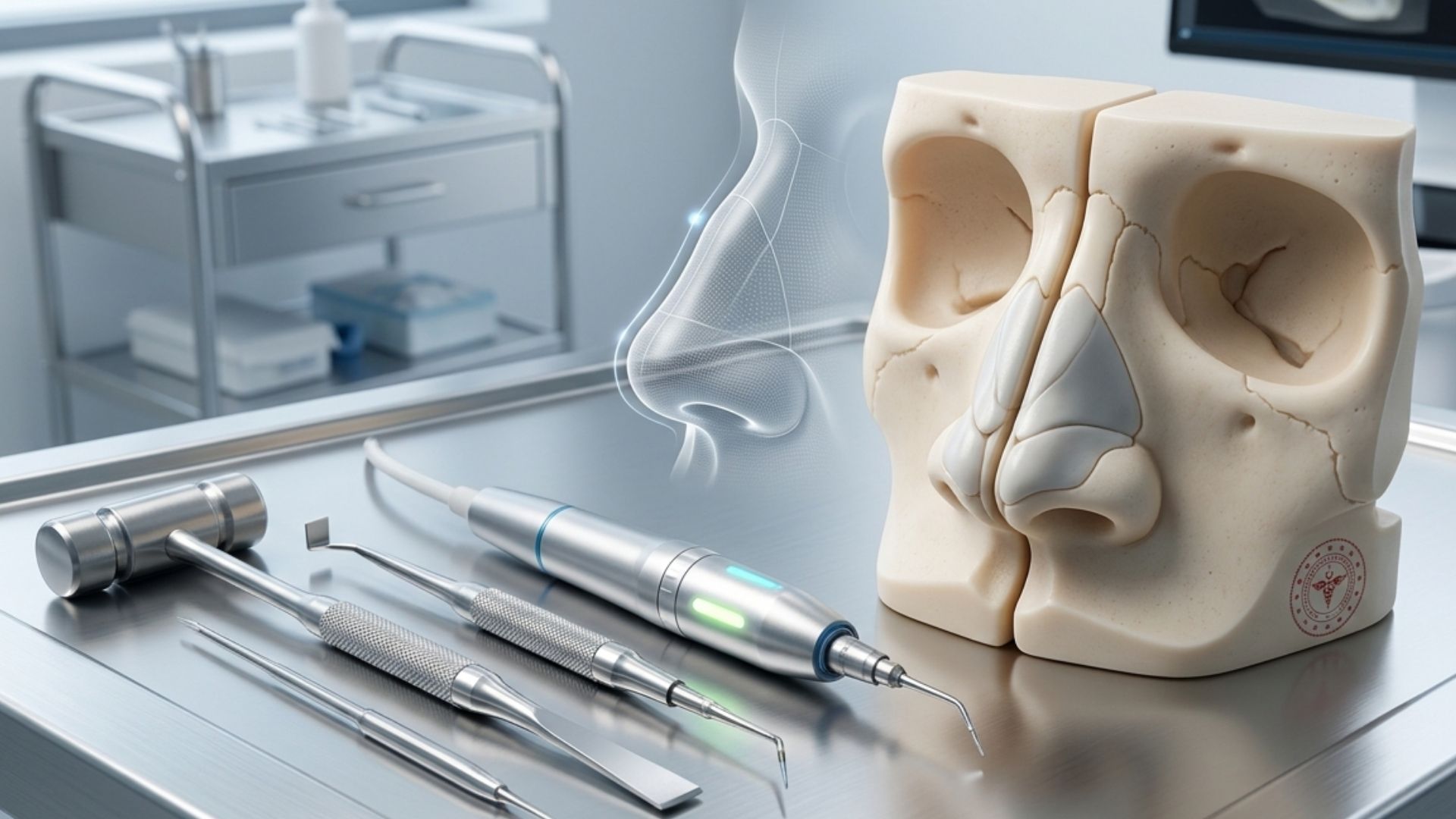
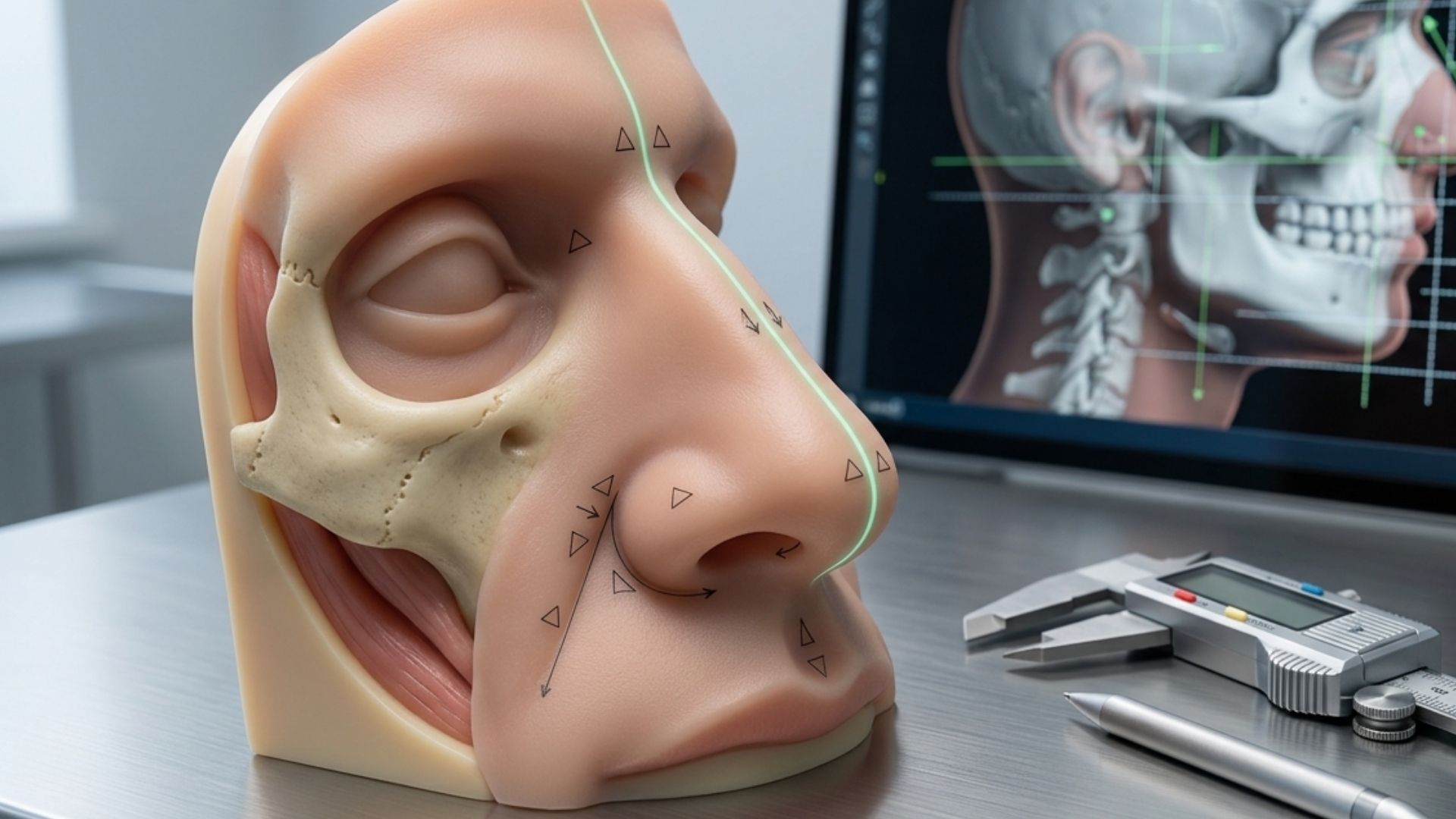
By applying ultrasonic sound waves selectively to nasal bones, the surgeon reshapes the dorsum with millimetric precision without disrupting soft tissues, mucosal lining, or blood vessels, resulting in minimal bruising and edema.

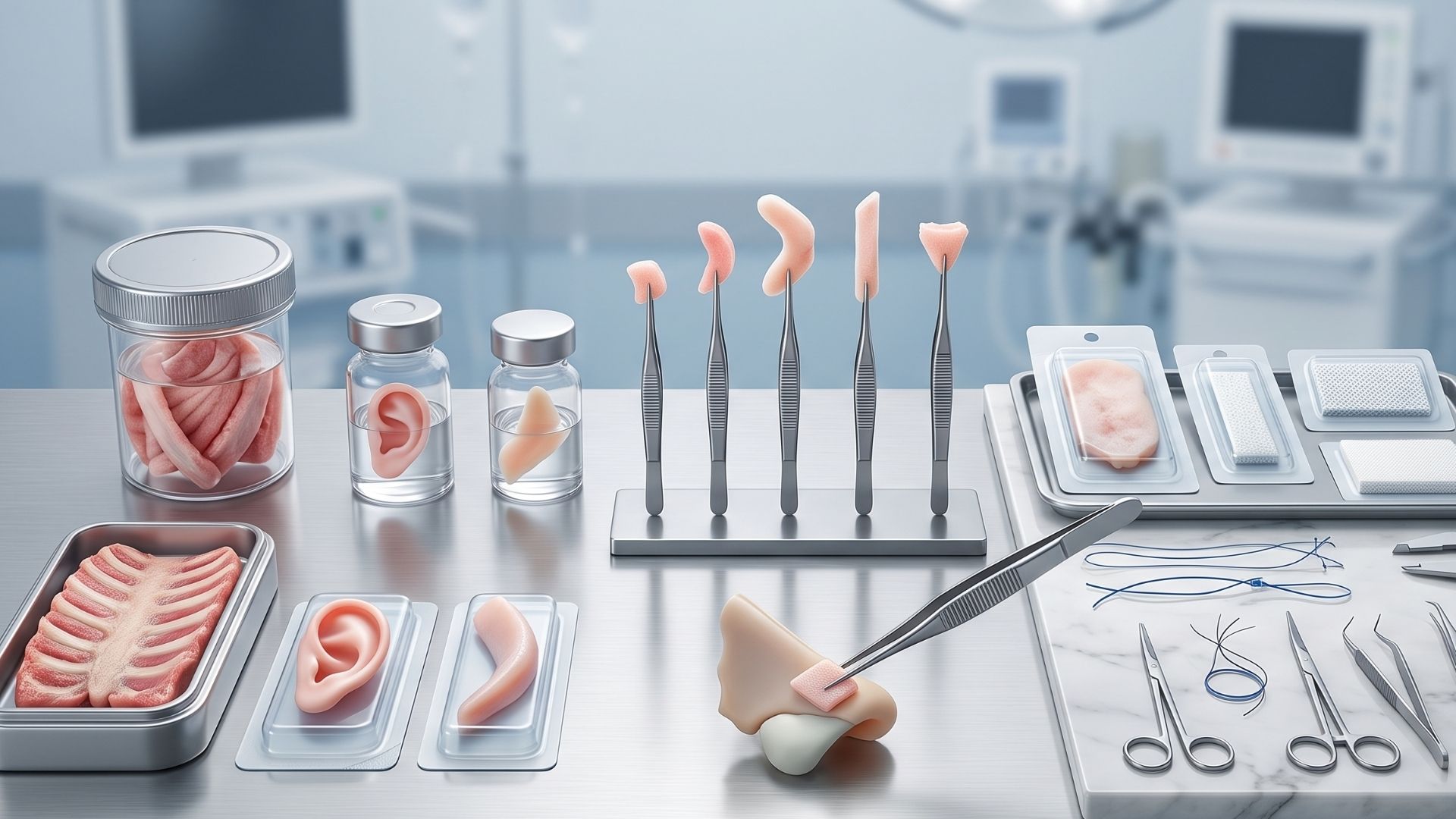
Structural Cartilage Grafting

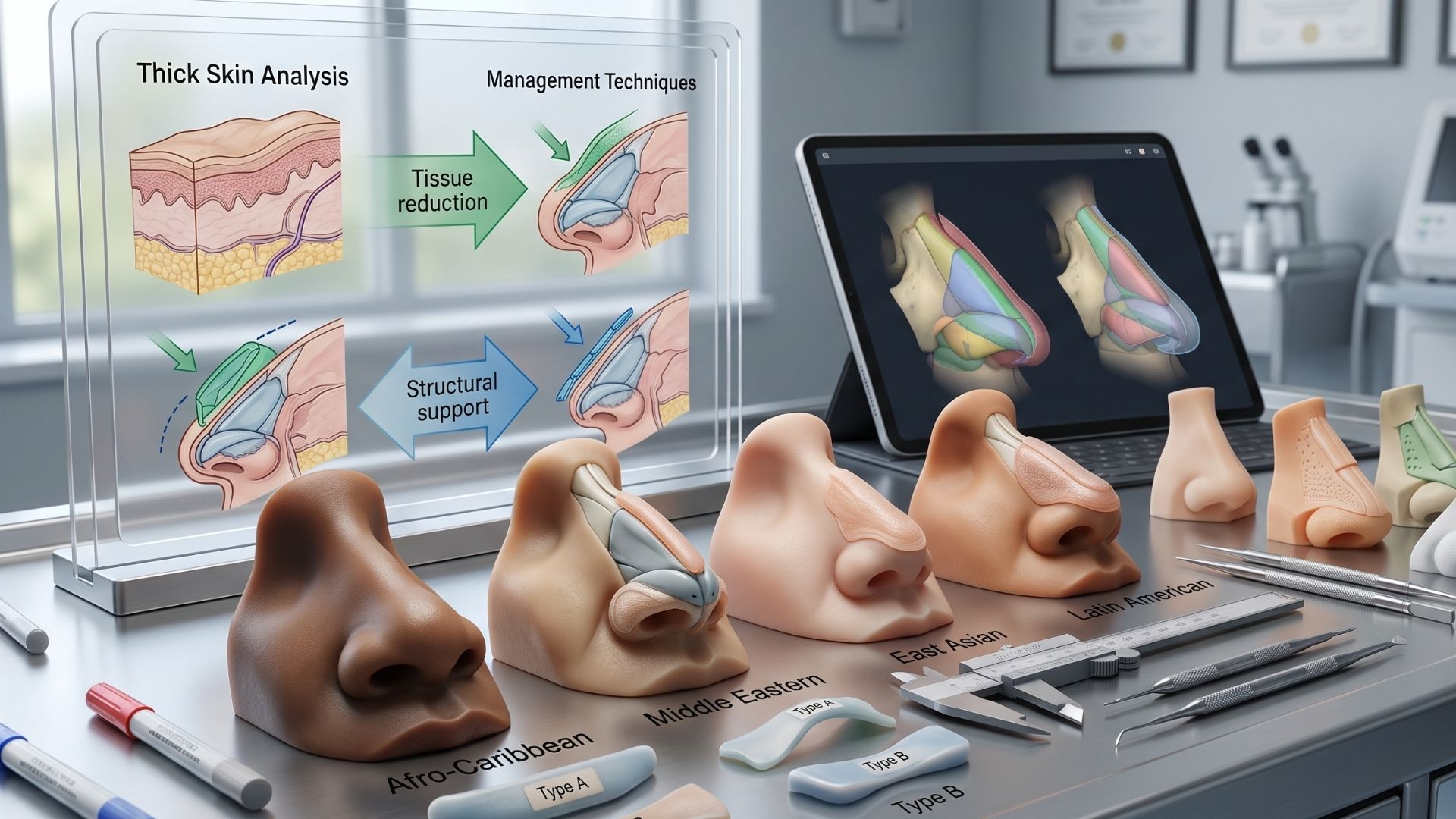
Utilizing autologous septal, ear, or rib cartilage grafts strengthens the nasal framework. Positioning columellar struts and tip grafts prevents post-surgical drooping and ensures long-term structural stability.

Subperichondrial Preservation Technique

Dissecting beneath the perichondrium plane preserves Pitanguy's and Scroll ligaments. Reattaching these soft-tissue structures maintains natural skin mobility, dynamic smile aesthetics, and sub-dermal lymph drainage.

Internal Valve & Septal Reconstruction

Straightening deviated septal cartilage combined with spreader graft insertion widens the narrow internal nasal valve, permanently resolving nasal airway resistance and chronic breathing obstructions.


Rhinoplasty Procedural Decision Matrix

A comparative analysis of clinical nose surgery outcomes based on procedure averages. While every surgical candidate requires individualized diagnostic triage, these metrics reflect international standards for aesthetic and functional success.

Primary Aesthetic Rhinoplasty

First-Time Cosmetic Reshaping
  • Candidacy: First-time candidates aged 18+ seeking dorsal hump reduction or tip refinement
  • Procedure Duration: 2.0–2.5 Hours (General Anesthesia)
  • Primary Target: Natural Facial Proportions & Refined Contours
  • Clinical Recovery: 6–7 Days (Splint Removal Target)

Comprehensive initial reshaping focusing on dorsal cartilage smoothing, nasal tip projection, and harmonious facial alignment.

Ultrasonic Piezo Rhinoplasty

Atraumatic Bone Sculpting
  • Candidacy: Patients requiring precise nasal bone narrowing or asymmetrical bridge correction
  • Procedure Duration: 2.5–3.0 Hours
  • Primary Target: Millimetric Precision with Minimal Soft-Tissue Trauma
  • Clinical Recovery: 5–7 Days (Reduced Bruising)

Advanced ultrasonic wave technology allowing delicate bone sculpting without damaging surrounding blood vessels or soft mucosa.

Revision & Graft Rhinoplasty

Secondary Structural Reconstruction
  • Candidacy: Patients with unsatisfactory previous surgeries or collapsed nasal support
  • Procedure Duration: 3.5–5.0 Hours
  • Primary Target: Framework Reconstruction via Rib/Ear Cartilage Grafts
  • Clinical Recovery: 7–10 Days (Extended Follow-Up)

High-complexity corrective surgery utilizing autologous structural grafting to restore both airway patency and aesthetic contour.

Functional Septorhinoplasty

Airway & Septal Correction
  • Candidacy: Severe nasal obstruction, septal deviation, or turbinate hypertrophy
  • Procedure Duration: 2.0–3.0 Hours
  • Primary Target: Internal Valve Opening & Breathing Optimization
  • Clinical Recovery: 6–7 Days

Dual-approach operation correcting internal breathing pathways simultaneously with external aesthetic refinements.

*Success rates and recovery periods represent clinical estimates referenced from global plastic surgery registries (ISAPS/TPCD).


Multidisciplinary Pre-Surgical Rhinoplasty Diagnostics

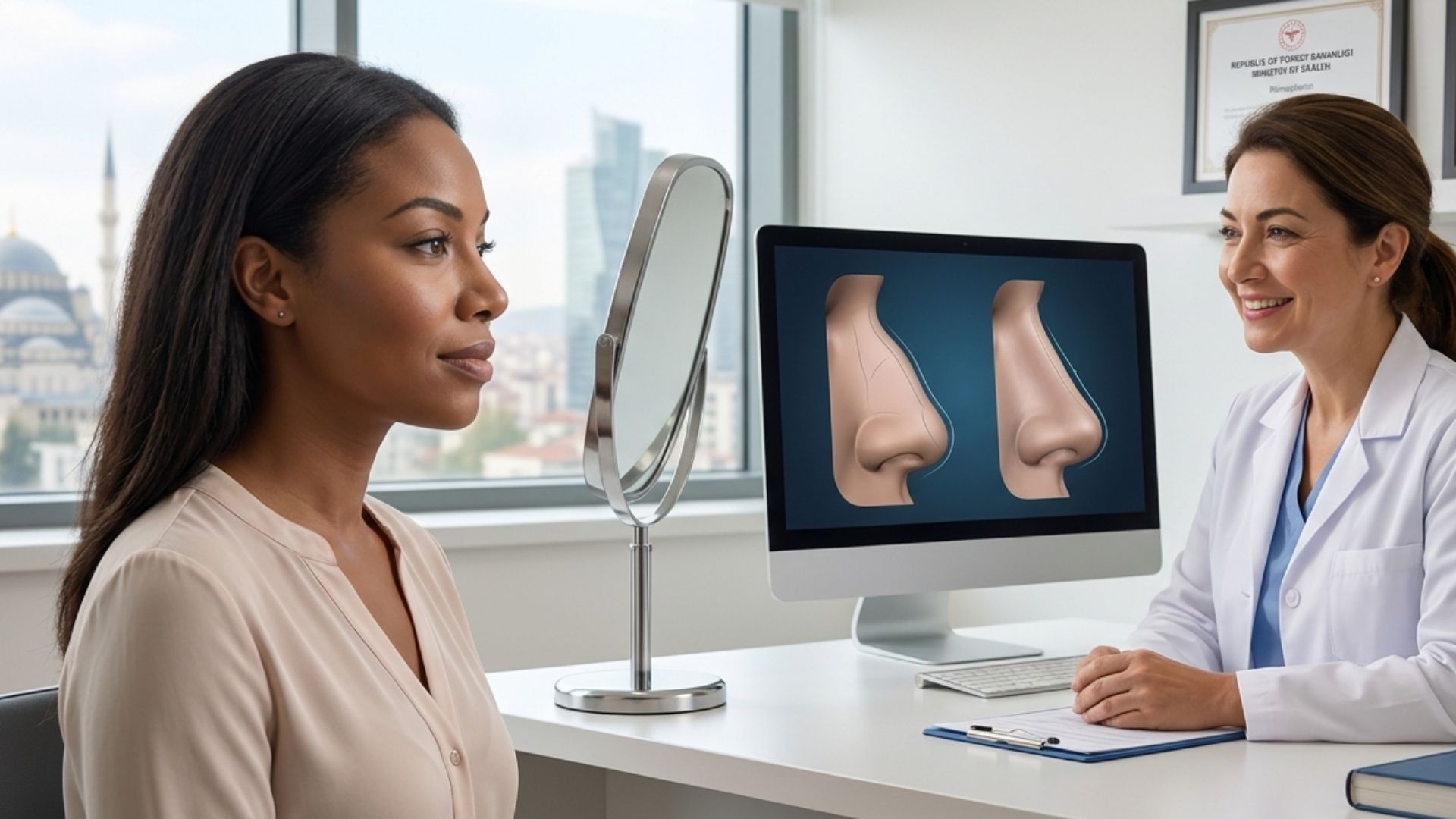
Prior to entering the operating suite, every patient at an accredited rhinoplasty clinic in Turkiye undergoes 360-degree diagnostic screening. This multidisciplinary protocol eliminates perioperative risk factors and confirms 100% surgical candidacy.

AESTHETIC
3D Facial Simulation

Millimetric Precision
Morphing & Symmetry Analysis

High-definition 3D surface scanners map facial angles, dorsal contours, and tip projections, allowing surgeons to set realistic structural goals and align aesthetic expectations.

FUNCTIONAL
Endoscopic Airway Audit

Internal Structure
Septum & Turbinate Mapping

Flexible internal nasal endoscopy checks for cartilage deviations, internal valve collapse, and concha hypertrophy to ensure optimal breathing function post-surgery.

MEDICAL
Pre-Op Hemostasis & ECG

Full System Clearance
Coagulation & Cardiac Profile

Comprehensive blood panels verify clotting factors (PT/INR) and infectious markers, alongside ECG screening for safe general anesthesia administration.


The Architecture of Post-Surgical Rhinoplasty Recovery

Surgical precision during your rhinoplasty sets the structural foundation, but optimal, long-term aesthetic definition is anchored in structured post-operative nasal care. Accredited rhinoplasty clinics in Turkiye provide a strict 4-phase facial healing blueprint.

The Post-Op Nasal Healing & Care Blueprint

Designed by board-certified plastic and facial reconstruction specialists, this post-operative protocol protects internal cartilage grafts, minimizes periorbital edema, and guides dermal swelling resolution:

  • Phase 1: Splint & Cast Protection (Days 1–7) – Head elevation sleeping, cold compress application around eyes, saline nasal irrigation, and absolute protection of external thermoplastic cast.
  • Phase 2: Cast Removal & Dermal Taping (Weeks 2–4) – Painless removal of internal silicone splints, initiation of nocturnal nasal taping regimens, and gentle scar gel application.
  • Phase 3: Edema Resolution & Activity Resumption (Months 1–3) – Progressive reduction of primary swelling, resumption of light cardiovascular exercise, and avoidance of heavy eyewear or physical impact.
  • Phase 4: Cartilage Settlement & Final Definition (Months 6–12) – Complete sub-dermal fibrotic resolution, final tip refinement, and tele-health progress reviews to confirm lifetime structural stability.

Clinical Risk Mitigation & Rhinoplasty Safety

Surgical integrity relies on total procedural transparency. While all plastic surgery interventions carry baseline medical risks, accredited rhinoplasty centers in Turkiye employ standardized perioperative protocols to minimize complication rates.

Structural Cartilage Framework Safety

To guarantee long-term tip support and prevent post-surgical nasal drooping, operating surgeons enforce autologous graft stabilization rules exceeding international ISAPS guidelines.

Endonasal Infection & Hematoma Prophylaxis

Infection and septal hematoma risks are strictly controlled through povidone-iodine mucosal antisepsis, intraoperative IV antibiotic administration, and sterile single-use surgical packs.

Climate-Controlled Surgical Theaters

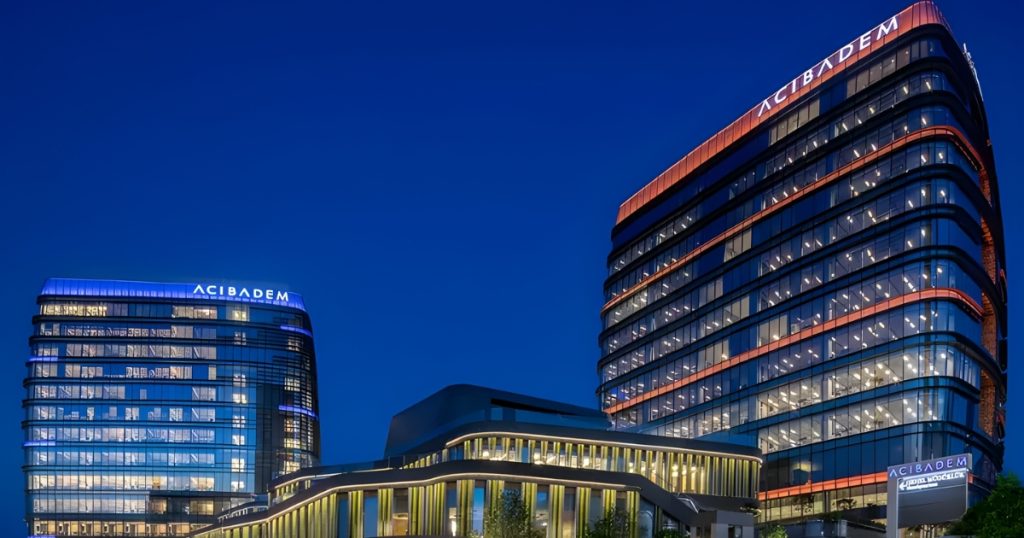
Partner surgical hospitals utilize positive-pressure laminar airflow and HEPA filtration systems to maintain sterile operating environments during delicate Piezo bone sculpting.

Subspecialty On-Call Support

Maximum clinical safety is guaranteed by on-site ENT specialists, anesthesiologists, and facial plastic experts equipped for immediate complex perioperative consultation.


Technical Candidacy & Rhinoplasty FAQ

Core clinical eligibility guidelines for cosmetic and functional nose surgery pathways. Accredited rhinoplasty clinics in Turkiye adhere strictly to international ISAPS and TPCD procedural standards.

What are the age guidelines for rhinoplasty?

Candidates must have completed facial skeletal growth, typically 18 years for females and 18-19 years for males. Functional breathing issues due to severe septal trauma can be evaluated earlier under specialized ENT guidance.

When can I return to work and flying after surgery?

Patients receive official fit-to-fly clearance after 6 to 7 days following internal splint and external cast removal. Desk jobs and light daily activities can be resumed after 7 to 10 days, while contact sports require 6 weeks.

Are rhinoplasty results permanent?

Yes, structural cartilage and bone changes are permanent. While initial edema resolves over 12 months to reveal final definition, autologous graft support prevents long-term tip drooping and maintains lasting aesthetic symmetry.

Scientific & Rhinoplasty Information Disclaimer

The clinical and procedural information provided on rhinoplastyclinic.tr reflects current international plastic surgery literature and clinical safety guidelines. This content is for educational guidance only and does not constitute a formal medical diagnosis or surgical recommendation. Procedural candidacy can only be determined through full diagnostics and direct consultation with a board-certified plastic surgeon. Always consult clinical specialists for personalized treatment plans.

Understand the Turkiye Advantage

Now that you are familiar with the rhinoplasty procedures and safety frameworks, discover the accredited hospital infrastructure and legal safeguards that position Turkiye as a global plastic surgery destination.