
1. Anatomical Access: Transcolumellar vs. Endonasal Exposure
The fundamental divergence in rhinoplasty philosophy centers on the method of surgical access. The open approach involves a precise inverted-V or step incision across the columella, allowing the entire soft tissue envelope to be elevated. This provides the surgeon with direct, binocular visualization of the lower lateral cartilages and the nasal dorsum, making it the gold standard for complex asymmetric corrections, major septal reconstructions, and advanced revision cases.
Conversely, the closed (endonasal) approach utilizes micro-incisions hidden entirely within the mucosal lining of the nostrils. By avoiding the columellar incision, the closed technique preserves the natural superficial musculoaponeurotic system (SMAS) ligaments and the critical lymphatic drainage pathways of the nasal tip. While it demands a higher degree of tactile surgical expertise, it significantly accelerates the early phases of tissue healing.
2. Core Piezo Rhinoplasty Pillars
To examine the foundational surgical protocols applied in modern ultrasonic rhinoplasty suites without requiring horizontal table scrolling on mobile screens, essential clinical pillars are structured into responsive cards below:
Clinical Standard: Provides complete, unhindered visualization of the nasal framework, essential for exact cartilage suturing and complex structural grafting.
Clinical Standard: Avoids columellar disruption, preserves physiological lymphatic drainage, and results in zero visible external scarring, promoting rapid recovery.
Clinical Standard: Operates at frequencies (25-29 kHz) that selectively cut and polish bone while leaving the periosteum and surrounding mucosal networks completely intact.
Clinical Standard: Utilizing septal extension grafts and columellar struts to guarantee long-term projection and rotation, preventing age-related tip ptosis.
Journey with Confidence
Your health and well-being are our priority. Experience world-class medical excellence while exploring the wonders of Istanbul.
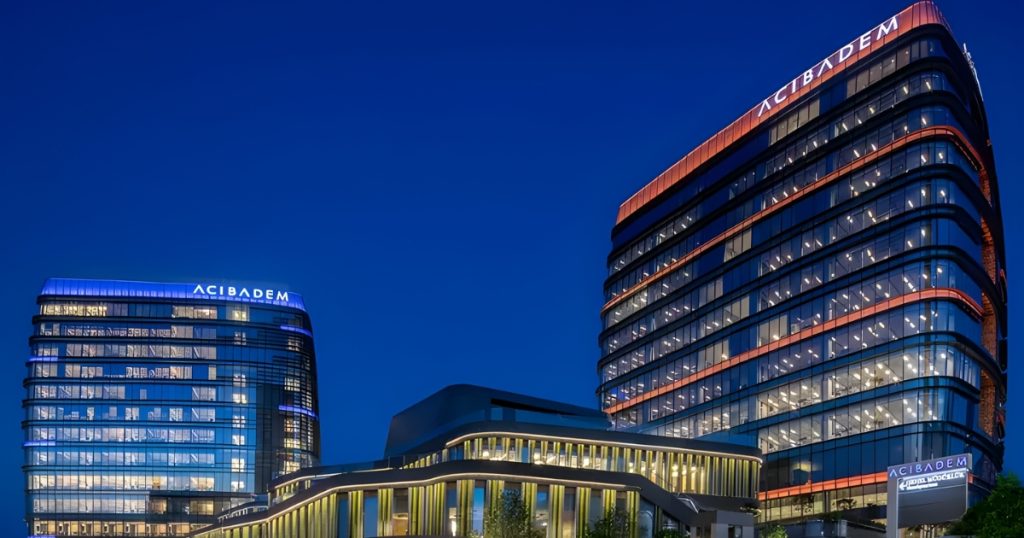
Acıbadem Hospitals Group:
Global Excellence in Healthcare
While you immerse yourself in the rich history of Istanbul, your well-being is protected by a future-focused healthcare leader. Acıbadem provides world-class medical services, from comprehensive health screenings to advanced treatments, all delivered with a commitment to your safety and comfort.
Travel with the assurance that you and your loved ones are in the most capable hands.
 Explore Medical Services →
3. Ultrasonic Bone Sculpting: The Piezoelectric Advantage
Traditional rhinoplasty relies on mechanical rasps and osteotomes (hammer and chisel) to reduce dorsal humps and narrow the nasal vault. This conventional method involves blind tactile feedback, which can occasionally lead to asymmetrical bone fractures, splintering, and inadvertent trauma to the highly vascularized periosteal tissue.
Piezoelectric devices replace brute force with high-frequency ultrasonic micro-vibrations. Because the ultrasonic tip is tissue-selective—specifically calibrated to cut only dense, mineralized bone and calcified cartilage—it safely glides against blood vessels, nerves, and mucosal linings without causing lacerations. This allows the surgeon to perform osteotomies and contour the nasal bridge with the smooth, predictable precision of an artisan sculpting marble.
4. Edema Resolution and Ecchymosis Mitigation
A primary patient concern following rhinoplasty is the severity and duration of postoperative swelling (edema) and bruising (ecchymosis) around the periorbital region. The severity of these side effects is directly proportional to the amount of subperiosteal bleeding and lymphatic disruption during surgery.
When the tissue-sparing nature of Piezo technology is combined with the closed (endonasal) approach, the results are clinically striking. By preserving the columellar vessels and completely avoiding collateral damage to the surrounding mucosal capillaries during bone reduction, patients frequently present at their one-week splint removal with minimal to zero visible bruising, bypassing the profound "black eyes" traditionally associated with the procedure.

5. Long-Term Nasal Tip Stability and Structural Grafting
The ultimate success of a rhinoplasty is not judged at the three-month mark, but rather years later, as the forces of gravity and scar contracture act upon the nose. Nasal tip ptosis (drooping) is a known long-term risk if structural integrity is compromised during the initial operation.
The open approach inherently excels in structural fortification, granting the surgeon direct access to secure septal extension grafts and columellar struts with complex suturing techniques. However, highly skilled surgeons utilizing the closed approach can now deliver robust structural grafts through precise endonasal pockets. Regardless of the access method, maintaining strong cartilaginous support is paramount to ensuring the nasal tip retains its optimal projection and rotation for a lifetime.
The hallmark of piezoelectric surgery is its selective cutting capability. If the active ultrasonic insert accidentally contacts the skin envelope or nasal mucosa, the energy is absorbed harmlessly without cutting, rendering the technology exceptionally safe for adjacent soft tissues.
Enrich Your Exploration
Enhance your medical journey with our hand-picked partners offering luxury stays and seamless travel in Turkiye.
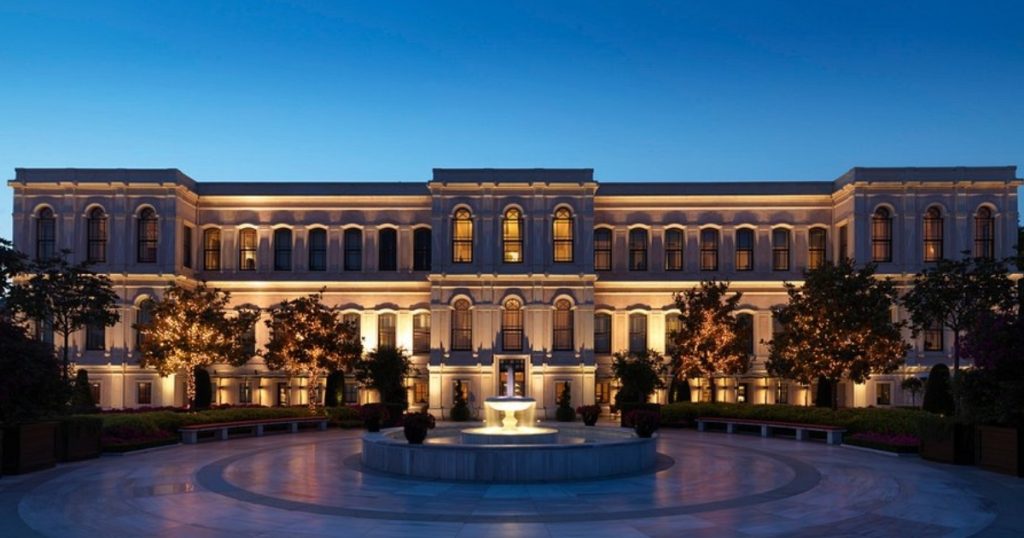
Four Seasons:
Bosphorus, Perfected
Escape the city's vibrant pulse to a serene waterfront palace. Here, timeless elegance and flawless service create your perfect moment.
 Book Your Escape →

Garenta:
Discover More of Turkiye
Don't just see the landmarks; experience the real culture. Garenta offers the freedom to discover hidden treasures at your own pace.
 Get Your Car →
Academic References & Data Sources
- Facial Plastic Surgery Clinics of North America: Piezoelectric Instrumentation in Rhinoplasty: Advantages, Techniques, and Outcomes.
- Aesthetic Surgery Journal: Open versus Closed Rhinoplasty: A Comparative Analysis of Postoperative Edema and Recovery Timelines.
- Plastic and Reconstructive Surgery: Long-Term Nasal Tip Stability: The Role of Structural Grafting in Endonasal and Transcolumellar Approaches.