
1. The Evolution of Dorsal Management
For over a century, the Joseph technique dictated that a dorsal hump should be excised from the top down. This classic excisional method irreversibly disrupts the "keystone area," the critical structural junction where the nasal bones, upper lateral cartilages, and septum converge. Once this anatomical roof is opened (an "open roof deformity"), the surgeon must meticulously reconstruct it using grafts to prevent mid-vault collapse and airway obstruction.
Preservation rhinoplasty fundamentally reverses this logic. Instead of destroying the dorsal roof and rebuilding it, the surgeon removes cartilage and bone from *beneath* the dorsum (the subdorsal septum and perpendicular plate). The intact, natural bridge of the nose is then lowered as a single, unblemished unit into the newly created space, preserving the patient's innate aesthetic dorsal lines.
2. Core Rhinoplasty Philosophies
To examine the foundational surgical protocols applied in aesthetic nasal surgery without requiring horizontal table scrolling on mobile screens, essential clinical pillars are structured into responsive cards below:
Clinical Standard: Removes the dorsal hump from above and routinely rebuilds the middle vault using bilateral spreader grafts to prevent internal valve collapse.
Clinical Standard: Employs push-down or let-down techniques to lower the intact nasal dorsum by resecting a basal septal strip, maintaining native contour smoothness.
Clinical Standard: Preservation rhinoplasty intentionally spares the scroll ligaments and Pitanguy's ligament, retaining the natural mobility and tactile feel of the nasal tip.
Clinical Standard: Structural rhinoplasty guarantees airway patency via rigid cartilaginous spacers, while preservation relies on the unviolated tension of the native anatomical valve.
Journey with Confidence
Your health and well-being are our priority. Experience world-class medical excellence while exploring the wonders of Istanbul.
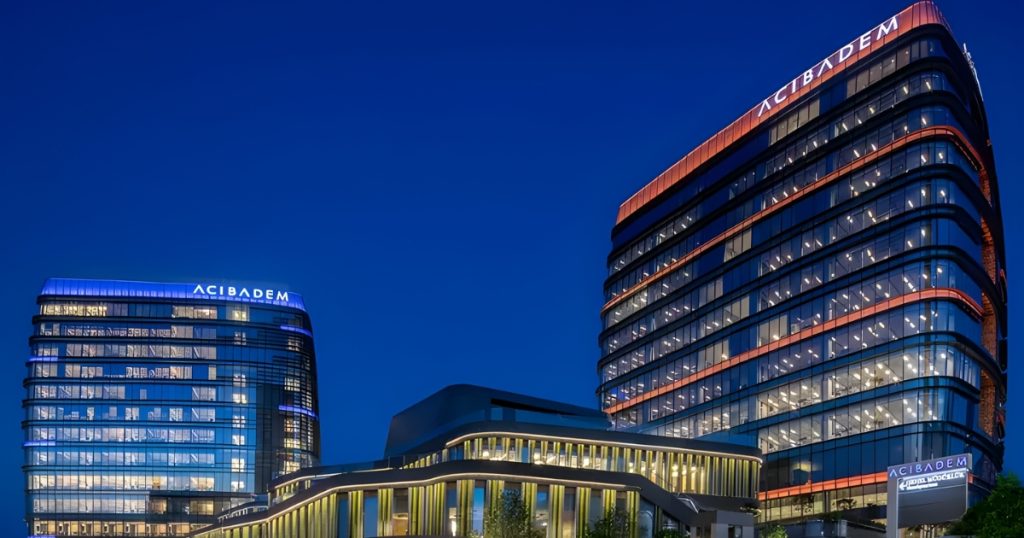
Acıbadem Hospitals Group:
Global Excellence in Healthcare
While you immerse yourself in the rich history of Istanbul, your well-being is protected by a future-focused healthcare leader. Acıbadem provides world-class medical services, from comprehensive health screenings to advanced treatments, all delivered with a commitment to your safety and comfort.
Travel with the assurance that you and your loved ones are in the most capable hands.
 Explore Medical Services →
3. Structural Grafting: Resection and Rebuilding
In structural rhinoplasty, the surgeon acts as an architect replacing a load-bearing wall. When a dorsal hump is excised, the structural integrity of the middle vault is compromised. To prevent the upper lateral cartilages from falling inward—which would pinch the internal nasal valve and impair breathing—the surgeon inserts spreader grafts.
These rectangular strips of cartilage (usually harvested from the septum) are sutured between the septum and the upper lateral cartilages. While this approach effectively widens the airway and straightens severely deviated noses, it introduces a highly engineered framework. The resulting nose is incredibly stable over decades but can sometimes feel rigid to the touch and requires meticulous graft contouring to avoid visible irregularities through thin skin.
4. Preservation Rhinoplasty: The Push-Down/Let-Down Concept
Preservation rhinoplasty treats the nasal dorsum as a sacred, perfect structure created by nature. By utilizing "push-down" or "let-down" techniques, the surgeon removes a precise strip of the underlying septal cartilage (the subdorsal strip) and creates localized osteotomies at the base of the nasal bones.
This allows the entire intact bridge—bone, cartilage, and keystone area—to be gently depressed (pushed down) into the nasal cavity until the desired profile is achieved. Because the surface of the bridge is never cut, there are no graft edges to hide, and the risk of mid-vault irregularities is virtually eliminated. This technique yields a flawlessly smooth dorsum that maintains the patient's natural dorsal aesthetic lines.

5. Ligament Preservation and Long-Term Airway Patency
Beyond the bone and cartilage, the nose is supported by a complex network of soft-tissue ligaments, including the scroll ligaments (connecting the upper and lower lateral cartilages) and Pitanguy's midline ligament. Structural rhinoplasty typically transects these ligaments to achieve maximum surgical exposure, requiring them to be reconstructed via sutures.
Preservation rhinoplasty, often performed via a closed endonasal approach, actively avoids cutting these ligaments. This translates to significantly reduced postoperative edema, preservation of the natural lymphatic drainage pathways, and a nose that retains normal mobility during facial expressions. However, while preservation yields superior natural aesthetics, structural grafting remains the gold standard for patients with severe septal deviations, depleted cartilage from previous surgeries, or massive asymmetrical humps that cannot be simply "pushed down."
The keystone area is the critical anatomical junction where the nasal bones overlap the upper lateral cartilages and the nasal septum. Structural rhinoplasty dismantles and reconstructs this area, whereas preservation rhinoplasty leaves its natural, robust architecture completely undisturbed.
Enrich Your Exploration
Enhance your medical journey with our hand-picked partners offering luxury stays and seamless travel in Turkiye.
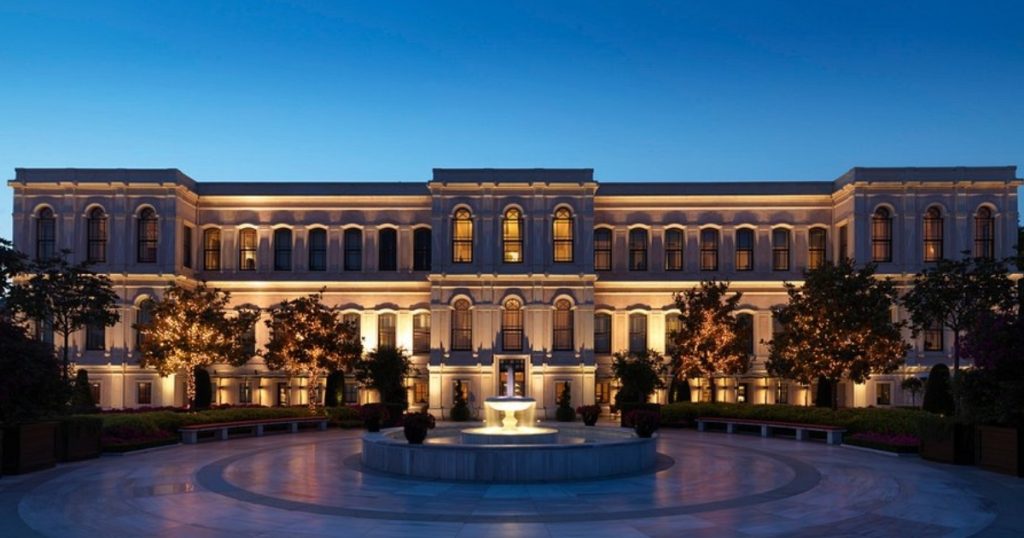
Four Seasons:
Bosphorus, Perfected
Escape the city's vibrant pulse to a serene waterfront palace. Here, timeless elegance and flawless service create your perfect moment.
 Book Your Escape →

Garenta:
Discover More of Turkiye
Don't just see the landmarks; experience the real culture. Garenta offers the freedom to discover hidden treasures at your own pace.
 Get Your Car →
Academic References & Data Sources
- Plastic and Reconstructive Surgery: Dorsal Preservation Rhinoplasty: A Review of Push-Down and Let-Down Techniques.
- Aesthetic Surgery Journal: Structural vs. Preservation Rhinoplasty: A Comparative Analysis of Functional and Aesthetic Outcomes.
- Facial Plastic Surgery Clinics of North America: Ligamentous Anatomy of the Nose and its Implications in Modern Rhinoplasty.