
1. The Biomechanics of the Male Nasal Framework
Male patients typically present with a distinct anatomical baseline compared to female patients: thicker and more sebaceous skin, stronger and wider nasal bones, and a more prominent dorsal convexity. The aesthetic goal is rarely to create a diminutive, sloped nose. Instead, the objective is to straighten the dorsum, refine the tip without making it pinched, and maintain a robust, masculine facial profile.
Surgical alterations must respect the robust biomechanics of the male face. Over-resection of the osseocartilaginous vault not only risks structural collapse due to the heavier soft tissue envelope but also drastically alters the patient's core facial identity. The modern approach utilizes conservative bone remodeling (often via Piezoelectric instrumentation) and extensive structural grafting.
2. Core Male Rhinoplasty Pillars
To examine the foundational aesthetic and structural protocols applied in male rhinoplasty without requiring horizontal table scrolling on mobile screens, essential clinical pillars are structured into responsive cards below:
Clinical Standard: The male dorsum should ideally be straight or possess a subtle, microscopic convexity, strictly avoiding the concave "scoop" sought in female profiles.
Clinical Standard: Tip rotation must be meticulously controlled, targeting an angle of 90 to 95 degrees to prevent undesirable nostril visibility.
Clinical Standard: A high and relatively shallow radix is maintained to project strength and harmonize with the typically heavier male brow ridge.
Clinical Standard: Tip refinement focuses on suturing techniques to narrow the lower lateral cartilages without creating sharp, pinched, or overly delicate edges.
Journey with Confidence
Your health and well-being are our priority. Experience world-class medical excellence while exploring the wonders of Istanbul.
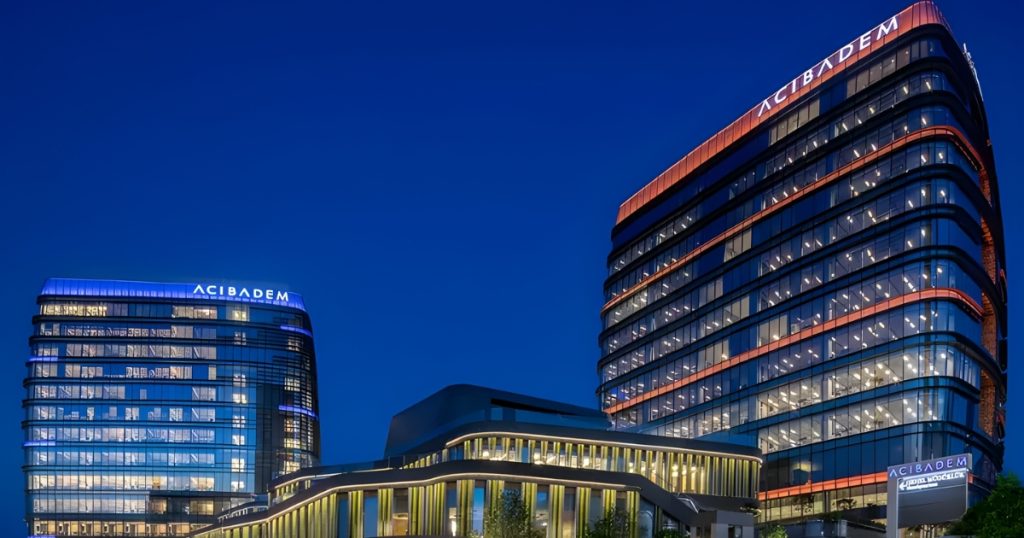
Acıbadem Hospitals Group:
Global Excellence in Healthcare
While you immerse yourself in the rich history of Istanbul, your well-being is protected by a future-focused healthcare leader. Acıbadem provides world-class medical services, from comprehensive health screenings to advanced treatments, all delivered with a commitment to your safety and comfort.
Travel with the assurance that you and your loved ones are in the most capable hands.
 Explore Medical Services →
3. Radix Height and the Nasofrontal Angle
The radix—the starting point of the nose between the eyes—plays a pivotal role in male facial aesthetics. Men naturally possess a more prominent supraorbital rim (brow bone) and a higher, shallower nasofrontal angle. If the surgeon over-reduces the radix during hump removal, the nose will appear "washed out" or overly sloped, instantly feminizing the profile.
To preserve masculine strength, surgeons often employ radix grafts (using crushed cartilage or diced cartilage in fascia) if the area requires augmentation, or they meticulously blend the dorsal reduction to maintain a starting point roughly level with the upper eyelid crease. This ensures the dorsal aesthetic lines remain strong, parallel, and appropriately wide.
4. Nasal Tip Rotation: Avoiding the Over-Rotated Look
One of the most critical metric differences between male and female rhinoplasty is the nasolabial angle (the angle between the upper lip and the columella). In women, a slightly upturned tip (100 to 105 degrees) is often perceived as youthful and aesthetically pleasing. In men, this same angle results in an unnatural, over-rotated appearance that exposes too much nostril.
Surgeons target a nasolabial angle of exactly 90 to 95 degrees for male patients. To ensure this angle does not migrate upward during the healing process (due to scar contracture), rigid caudal septal extension grafts are frequently utilized to "lock" the tip in its precise anatomical position, guaranteeing long-term rotational stability.

5. Managing the Thicker Male Soft Tissue Envelope
Male skin is inherently thicker, more vascular, and denser in sebaceous glands than female skin. This anatomical reality presents two distinct surgical challenges: achieving visible refinement and managing prolonged postoperative edema. Delicate cartilage work can easily be lost beneath a heavy male skin envelope.
To overcome this, structural grafting must be robust. The underlying cartilage framework must be engineered to project forcefully into the skin envelope to create visible angles. Furthermore, the thick skin demands a rigorous postoperative care protocol, including extended periods of nocturnal taping and targeted subdermal corticosteroid injections to prevent the formation of fibrotic scar tissue in the supratip region.
Many male patients present with a "tension nose," where an over-developed septum pulls the upper lip upward. Correcting this requires careful release of the depressor septi nasi muscle and a reduction of the caudal septum, relaxing the upper lip while maintaining the strong dorsal profile.
Enrich Your Exploration
Enhance your medical journey with our hand-picked partners offering luxury stays and seamless travel in Turkiye.
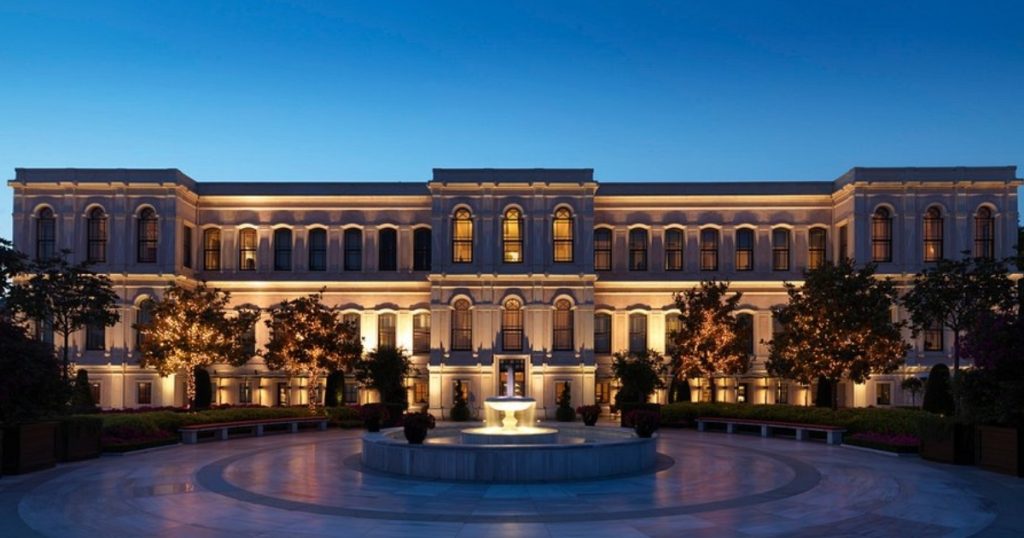
Four Seasons:
Bosphorus, Perfected
Escape the city's vibrant pulse to a serene waterfront palace. Here, timeless elegance and flawless service create your perfect moment.
 Book Your Escape →

Garenta:
Discover More of Turkiye
Don't just see the landmarks; experience the real culture. Garenta offers the freedom to discover hidden treasures at your own pace.
 Get Your Car →
Academic References & Data Sources
- Aesthetic Surgery Journal: Cephalometric Norms in Male Rhinoplasty: A Guide to Preventing Feminization.
- Plastic and Reconstructive Surgery: Managing the Thick Male Soft Tissue Envelope: Structural Grafting and Postoperative Edema Control.
- Facial Plastic Surgery Clinics of North America: Radix and Dorsal Profile Dynamics in the Male Patient.