
1. The Mechanics of Traditional Osteotomies
Traditional rhinoplasty relies on mechanical osteotomes—essentially specialized surgical chisels and mallets—to fracture and mobilize the nasal bones. This "blind" tactile technique inherently generates collateral kinetic energy. When the mallet strikes the osteotome, the force is transmitted not only through the bone but also into the surrounding tissues.
This dispersion of kinetic energy can inadvertently traumatize the delicate mucosal and periosteal layers, leading to unpredictable fracture lines, splintering (comminution), and extensive subdermal bleeding. The lack of direct visual control over the fracture path historically made this one of the most trauma-intensive steps of aesthetic nasal surgery.
2. Core Instrumentation Pillars
To examine the foundational surgical protocols applied in osseous contouring without requiring horizontal table scrolling on mobile screens, essential clinical pillars are structured into responsive cards below:
Clinical Standard: Relies on kinetic force and tactile feedback, increasing the risk of collateral soft tissue trauma, mucosal tearing, and irregular bone fractures.
Clinical Standard: Operates at 25–29 kHz, utilizing micro-vibrations to selectively cut mineralized bone while leaving soft tissues and blood vessels completely intact.
Clinical Standard: Ultrasonic sculpting allows surgeons to maintain the periosteal blood supply, accelerating osseous healing and preventing bony necrosis.
Clinical Standard: The elimination of blind mucosal tearing drastically reduces postoperative bleeding, minimizing periorbital ecchymosis and facial edema.
Journey with Confidence
Your health and well-being are our priority. Experience world-class medical excellence while exploring the wonders of Istanbul.
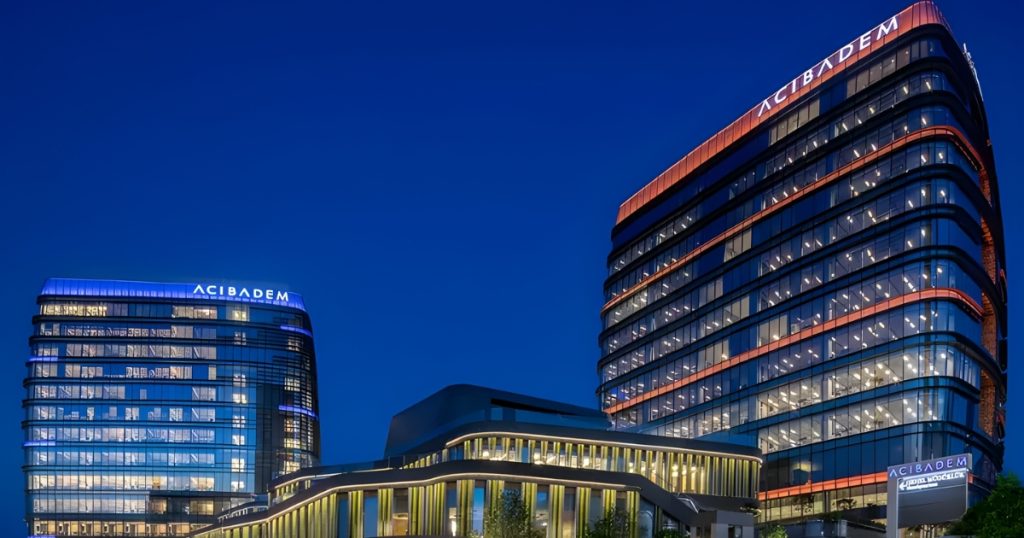
Acıbadem Hospitals Group:
Global Excellence in Healthcare
While you immerse yourself in the rich history of Istanbul, your well-being is protected by a future-focused healthcare leader. Acıbadem provides world-class medical services, from comprehensive health screenings to advanced treatments, all delivered with a commitment to your safety and comfort.
Travel with the assurance that you and your loved ones are in the most capable hands.
 Explore Medical Services →
3. Ultrasonic Precision and Periosteal Preservation
Piezoelectric inserts operate on the sophisticated principle of tissue selectivity. Because the ultrasonic frequencies are specifically calibrated to the density of crystalline bone structures, the instrument can cut, shave, and polish osseous vaults without damaging adjacent soft tissues. If the active tip brushes against the highly vascularized periosteum or underlying nasal mucosa, it simply stops cutting.
This structural preservation is paramount. The periosteum is the primary source of blood supply to the nasal bones. By avoiding wide subperiosteal stripping and preventing mucosal lacerations, the surgeon ensures that the bone retains optimal perfusion, drastically reducing the inflammatory cascade that typically follows surgical intervention.
4. Mitigating Periorbital Ecchymosis and Edema
The most immediate and highly appreciated clinical benefit of Piezo osteotomy is the dramatic reduction in periorbital ecchymosis (the classic "black eyes" associated with rhinoplasty) and facial edema. Traditional mallet strikes cause micro-tears in the delicate vascular networks surrounding the nasal bones, allowing blood to pool in the periorbital soft tissues.
By contrast, ultrasonic energy causes micro-coagulation of tiny vessels as it cuts, resulting in a nearly bloodless surgical field. Clinical studies consistently demonstrate that patients undergoing piezoelectric rhinoplasty experience statistically significant reductions in postoperative bruising, allowing them to return to social and professional activities much sooner than those undergoing conventional osteotomies.

5. Long-Term Osseous Healing and Callus Formation
Beyond the immediate postoperative phase, the quality of bone healing differs substantially between the two modalities. Traditional blunt fractures heal via secondary intention, often forming palpable or visible bony calluses as the body overcompensates for the traumatic, irregular break.
Piezoelectric cuts are so clean and precise that they facilitate primary bone healing. The exact apposition of the bone edges prevents the exaggerated fibrocartilaginous response that creates postoperative dorsal irregularities. This guarantees a smoother, more predictable contour that remains stable decades after the procedure, eliminating one of the primary causes of revision rhinoplasty.
Despite utilizing high-frequency vibrations, modern Piezo systems employ continuous, sterile saline irrigation. This critical cooling mechanism prevents thermal necrosis of the bone margins, ensuring the osteocytes remain completely viable for rapid, seamless fusion.
Enrich Your Exploration
Enhance your medical journey with our hand-picked partners offering luxury stays and seamless travel in Turkiye.
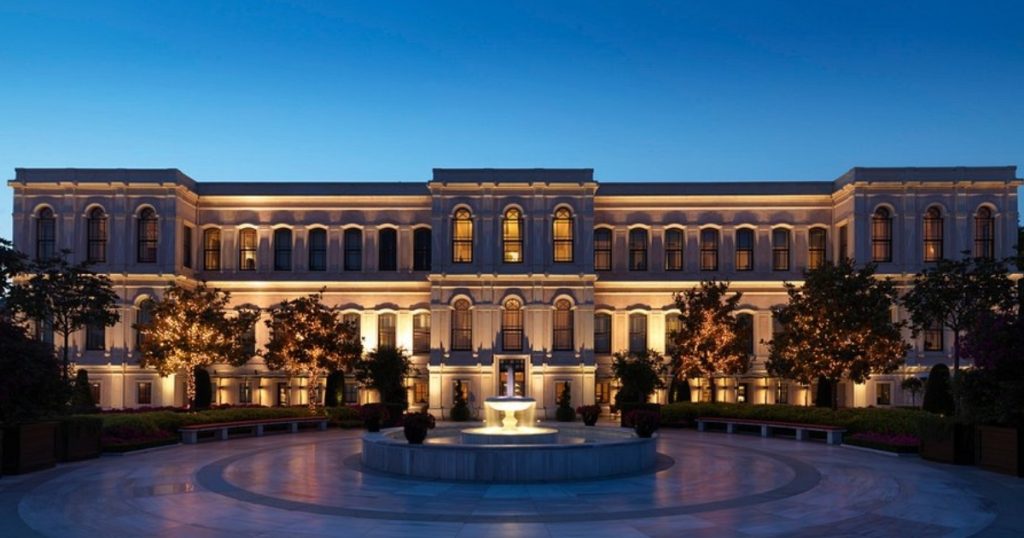
Four Seasons:
Bosphorus, Perfected
Escape the city's vibrant pulse to a serene waterfront palace. Here, timeless elegance and flawless service create your perfect moment.
 Book Your Escape →

Garenta:
Discover More of Turkiye
Don't just see the landmarks; experience the real culture. Garenta offers the freedom to discover hidden treasures at your own pace.
 Get Your Car →
Academic References & Data Sources
- Aesthetic Surgery Journal: Piezoelectric versus Conventional Osteotomies in Rhinoplasty: A Systematic Review and Meta-Analysis.
- Plastic and Reconstructive Surgery: Soft-Tissue Preservation and Ecchymosis Rates in Ultrasonic Rhinoplasty.
- Facial Plastic Surgery Clinics of North America: Osseous Healing and Callus Formation Following Piezoelectric Bone Sculpting.